By Daniel Lerin
September 27, 2026
Renovating your home brings fresh energy and improved daily comfort to your living space. Taking on major remodeling tasks can feel overwhelming when balancing work and family schedules. Working with an experienced local home renovation contractor ensures your project stays on schedule while meeting local building codes. Professional guidance turns creative ideas into solid structures without the stress of managing complicated construction work alone.
Planning a home upgrade requires evaluating how your family uses each room every day. Unused corners can become functional work areas, while cramped layouts can open up for better movement. Partnering with a dedicated builder helps you identify hidden structural opportunities within your current floor plan.
Upgrading Kitchen Spaces
The kitchen serves as the main gathering hub for meals and daily conversations. Updating this vital room requires a careful balance between visual appeal and practical usability.
Balancing Functionality and Style
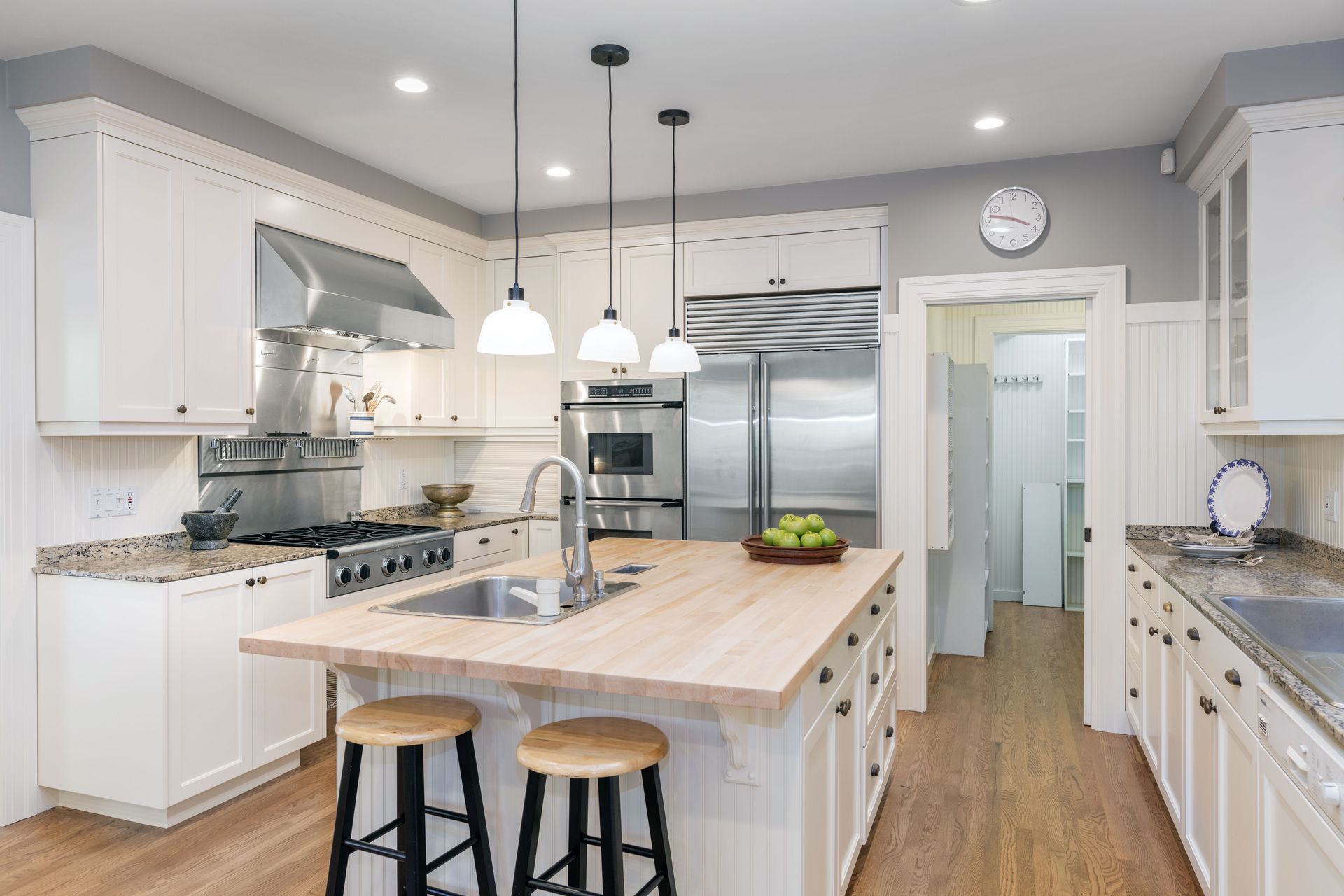
A well-planned kitchen layout makes meal preparation easier and improves room traffic flow. Professional builders understand how to arrange food prep zones and storage areas for optimal movement. Hiring a local home renovation contractor allows you to explore layout options that maximize your available square footage.
Creating dedicated work zones prevents overcrowding when multiple people cook together. Moving appliances into logical positions reduces unnecessary steps during busy morning routines. Thoughtful spacing ensures drawers open fully without blocking pathways.
Handling Complex Plumbing Lines
Rerouting water lines or moving electrical outlets presents serious challenges for untrained homeowners. According to RubyHome, 91% of homeowners hire professionals for remodeling projects. Leaving complex utility work to skilled tradespeople prevents costly water leaks and electrical hazards.
Updating older plumbing infrastructure during a remodel prevents unexpected pipe failures behind fresh drywall. Skilled installers verify water pressure and drainage flow before closing up wall cavities. Proper utility placement keeps your new fixtures functioning smoothly for years.
Installing Custom Cabinetry
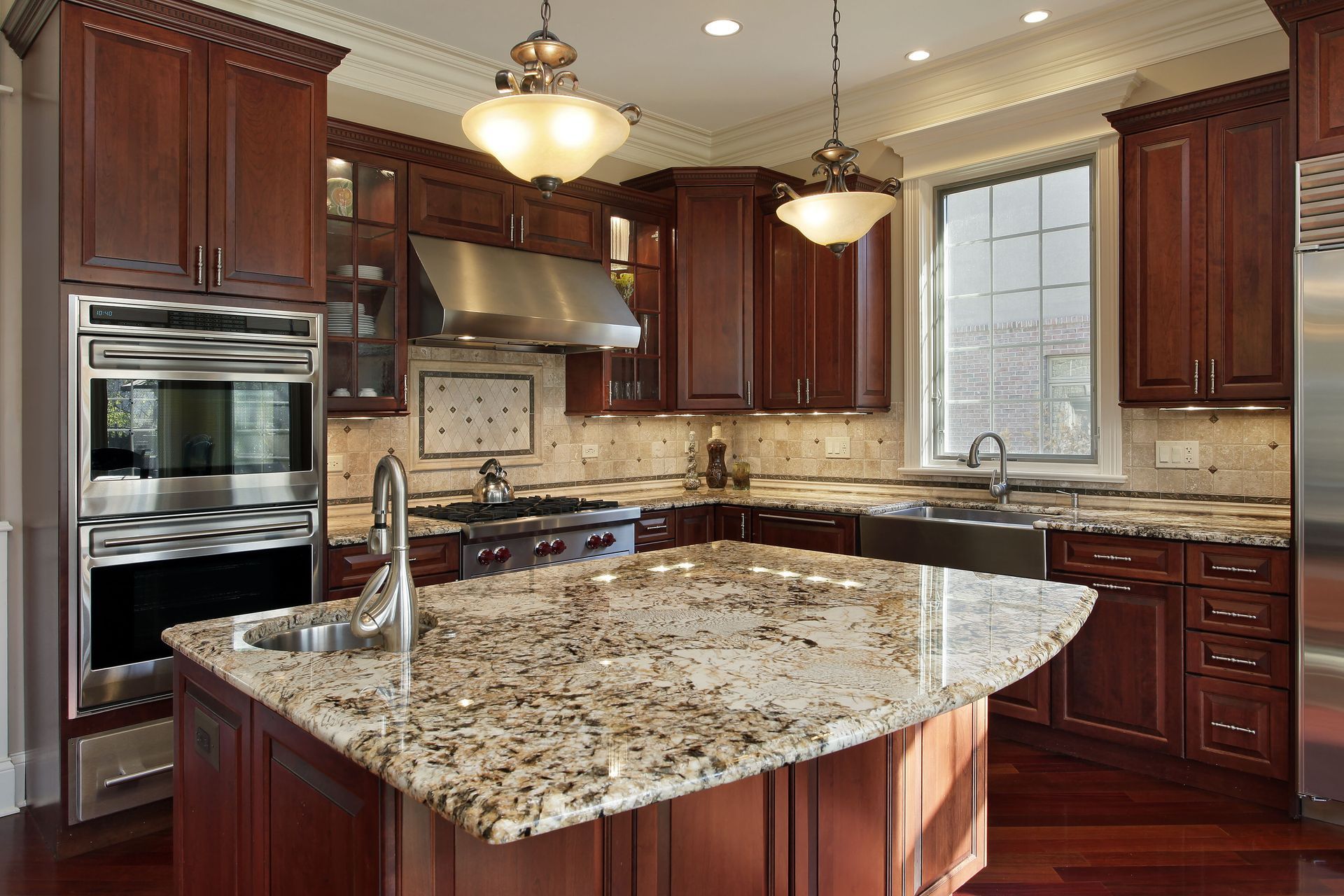
Custom cabinets and durable countertops elevate the overall look of your kitchen. Fitting cabinets perfectly requires precise measurements and proper leveling techniques. Experienced installers ensure every drawer slides smoothly and every countertop seam remains tightly sealed.
Choosing quality cabinet hardware keeps cooking supplies neat and easy to reach. Deep drawers provide convenient storage for heavy pots, while pull-out shelves maximize corner space. Quality woodwork holds up against daily kitchen activity.
Improving Overhead Air Circulation
Proper ventilation keeps your kitchen free from cooking smoke and strong food odors. Installing a powerful exhaust hood above your stove draws damp air outside quickly. Proper air movement maintains a comfortable environment for cooking and entertaining family members.
Removing excess moisture during cooking prevents grease buildup on nearby cabinet surfaces and walls. Quieter exhaust fan units allow for pleasant conversation while preparing dinner.
Transforming Bathroom Layouts
Bathroom remodeling turns small, outdated spaces into personal retreats for relaxation. Proper material selection and layout planning prevent moisture issues while improving daily convenience.
Optimizing Limited Footprints
Bathrooms often feature tight floor plans that require creative spatial planning. Positioning vanities or walk-in showers thoughtfully opens up walking paths without changing your home's footprint. Working alongside a skilled local home renovation contractor helps you select fixtures that fit your space comfortably.
Replacing bulky traditional tubs with sleek walk-in showers creates an open, spacious feeling in compact bathrooms. Recessed medicine cabinets and wall-mounted vanities free up valuable floor space while providing storage.
Selecting Durable Surface Materials
Bathroom surfaces face constant exposure to water, steam, and daily wear. Choosing non-porous tiles and moisture-resistant wall materials keeps your space looking clean over time. Quality finishes resist staining and withstand frequent cleaning without losing their luster.
Slip-resistant floor tiles enhance safety in wet areas without sacrificing visual style. Large format tiles minimize grout lines, making wall maintenance much simpler for homeowners.
Securing Proper Waterproofing
Water intrusion behind shower walls or beneath flooring leads to unseen structural damage. Applying thick waterproof membranes and sealing floor drains correctly keeps moisture contained where it belongs. Proper installation techniques protect subfloors and framing from long-term decay.
Testing shower pans for watertightness before laying wall tile prevents hidden leaks from damaging lower-level ceilings. Mold-resistant backer boards provide a stable, moisture-proof foundation for heavy stone or ceramic tiles.
Finishing Unused Basements
Unfinished basements offer vast potential for expanding your living area. Converting a dark lower level into a warm, usable room increases your property value and provides extra space for family activities.
Managing Moisture and Temperature
Basements naturally sit below ground level, making moisture management an essential initial step. Installing proper wall insulation and vapor barriers prevents damp conditions while maintaining comfortable indoor temperatures. Partnering with a local home renovation contractor keeps your finished lower level dry and inviting.
Sealing foundation wall cracks prevents ground moisture from seeping into finished living areas. Subfloor sub-panels raise carpet or luxury vinyl above cold concrete slabs for added warmth underfoot.
Creating Multi-Purpose Rooms
A finished basement adapts easily to your household's changing daily needs. You can design an open floor plan that functions as a guest suite or a quiet home office. Careful layout planning creates distinct zones for work and entertainment within the same room.
Built-in shelving units under staircases turn awkward architectural angles into valuable storage nooks. Soundproofing interior walls allows family members to watch movies without disturbing bedrooms upstairs.
Installing Egress Windows
Building codes require proper egress windows for safety in lower-level living areas. Cutting concrete foundation walls and fitting large window wells brings in natural sunlight while providing a clear emergency exit. Professional window installation protects your foundation strength while fulfilling safety requirements.
Deep window wells keep rain away from basement window glass. Natural sunlight transforms dark basement corners into bright, inviting spaces that feel like main level rooms.
Adding New Living Areas
Expanding your home footprint with a room addition gives your growing family necessary elbow room. Constructing an addition requires seamless integration with your existing roofline and foundation.
Navigating Permits and Regulations
Building new rooms requires securing city permits and following strict zoning guidelines. Experienced builders manage permit applications and schedule municipal inspections at key construction milestones. Working with a dedicated local home renovation contractor keeps your project compliant with all regional building codes.
Understanding property setbacks and height restrictions prevents costly structural modifications during construction. Professional site surveys establish exact property lines before excavators dig foundation trenches.
Matching Existing Architecture
A new addition should look like an original part of your house rather than an afterthought. Matching exterior siding and interior trim details preserves architectural harmony across your property. Skilled craftsmen blend new framing into existing walls effortlessly.
Ordering roof shingles that match your original roof structure prevents jarring color contrasts. Continuing existing flooring creates a seamless transition between old and new rooms.
Extending Utility Systems
Connecting new rooms to your main heating and electrical panels demands careful load calculations. Extending ductwork correctly keeps temperature levels consistent between old and new living areas. Professional installation prevents electrical overloads and maintains home comfort.
Upgrading your electrical service panel ensures your home handles the increased power demand safely. Extending plumbing lines requires proper pipe sizing and drain venting.
Updating your home improves daily comfort and long-term property value. From kitchen transformations to complete room additions, working with a reliable local home renovation contractor brings peace of mind throughout the entire build. Quality craftsmanship protects your investment and ensures results for years to come.
When you are ready to start your next home improvement project, working with Dream Design Kitchen & Bath ensures guidance and skilled installation for every room in your home. To discuss your remodeling vision and schedule your initial consultation, contact us today.